
Screen Printing: The Gold Standard for Custom Apparel
Timeless Quality. Vibrant Impact. Bulk Efficiency.
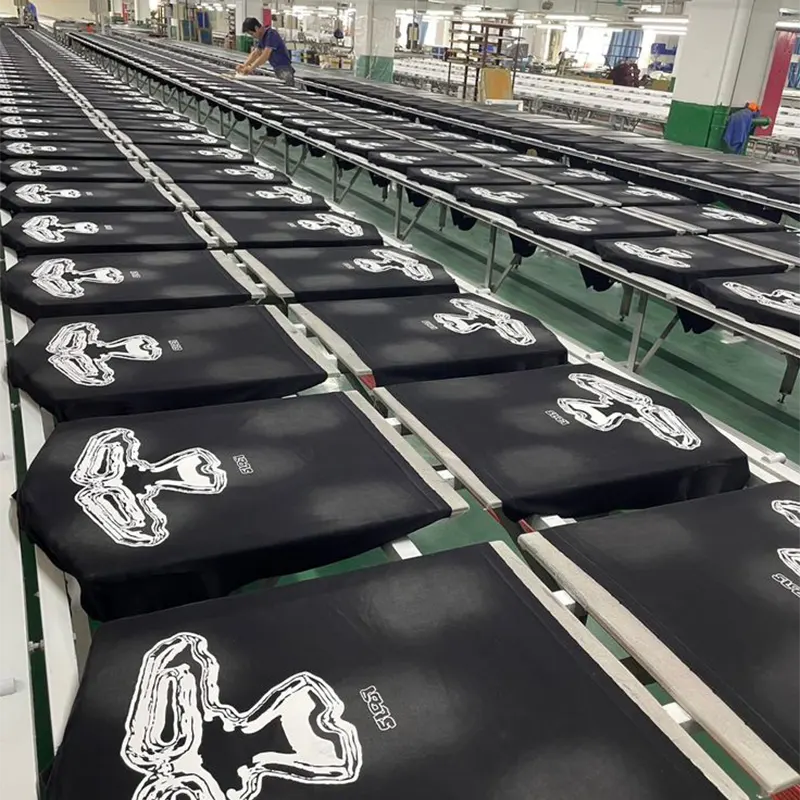
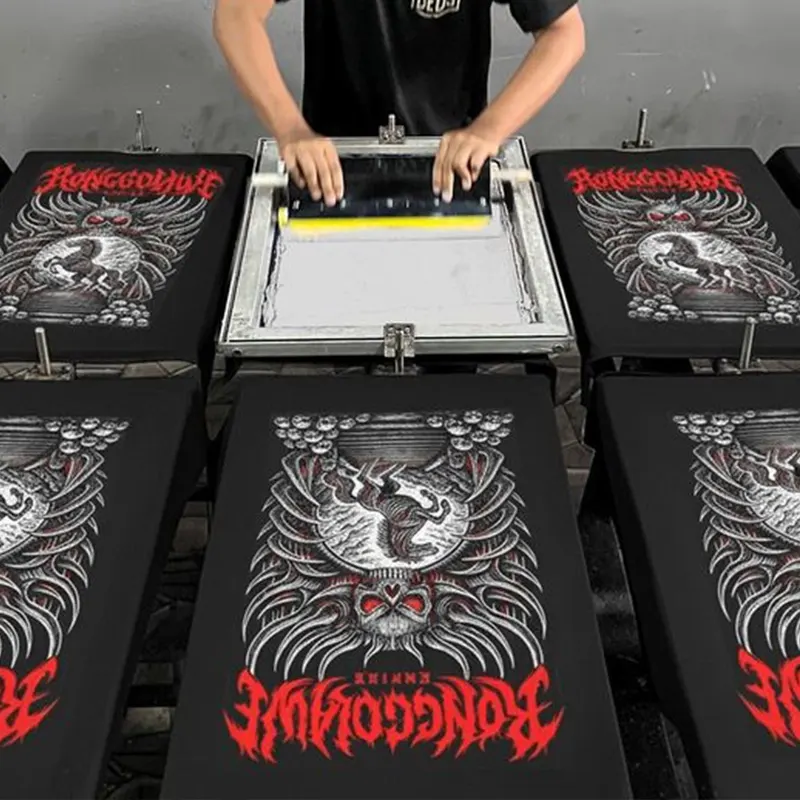
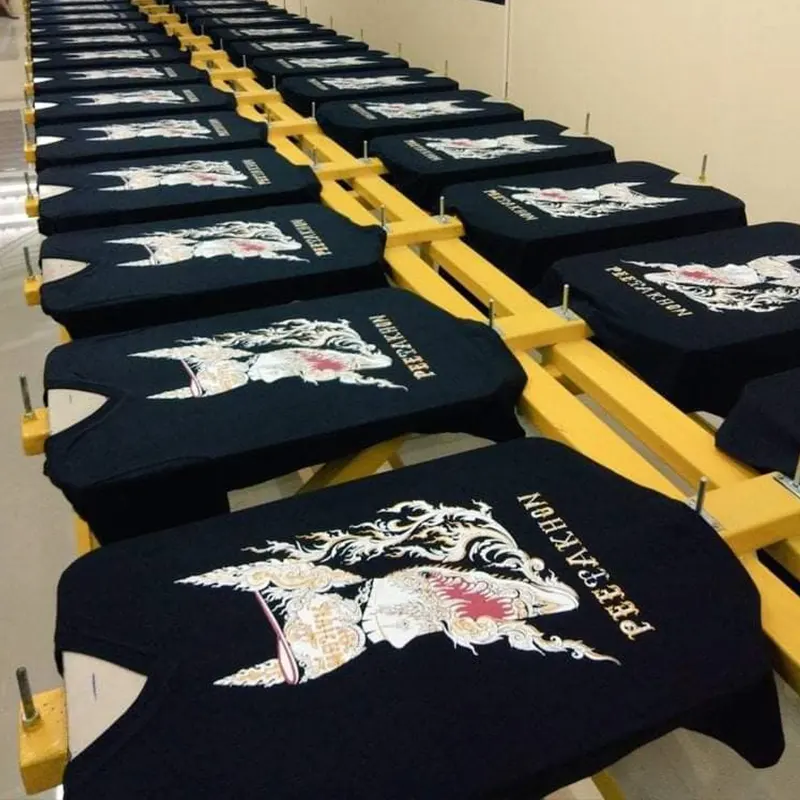
We specialize in high-capacity screen printing that combines traditional craftsmanship with modern technology. Whether you are launching a streetwear brand or fulfilling a large corporate order, our screen printing process delivers retail-ready results that stand the test of time.
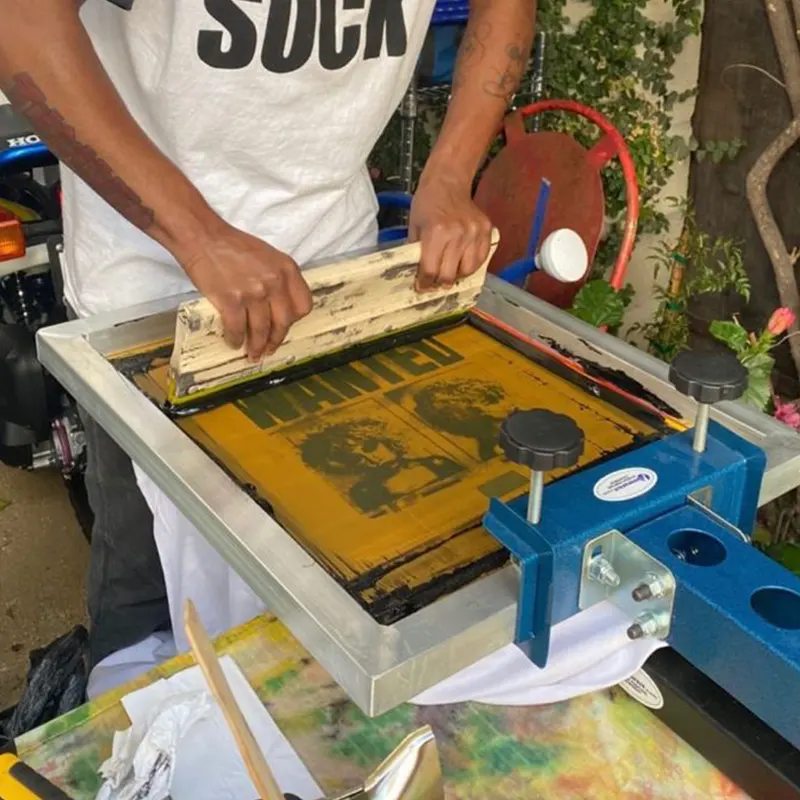
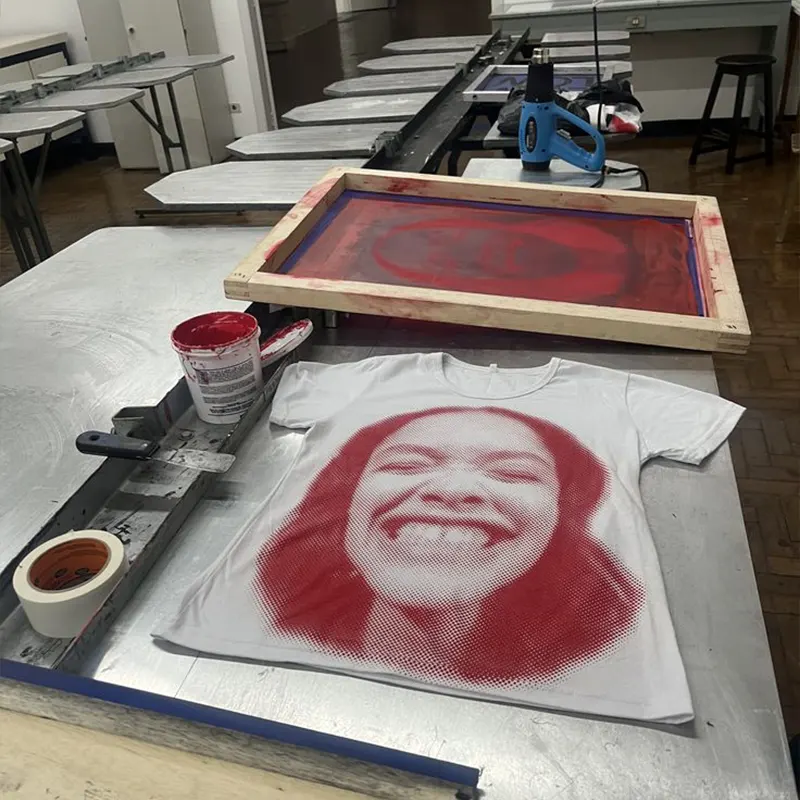
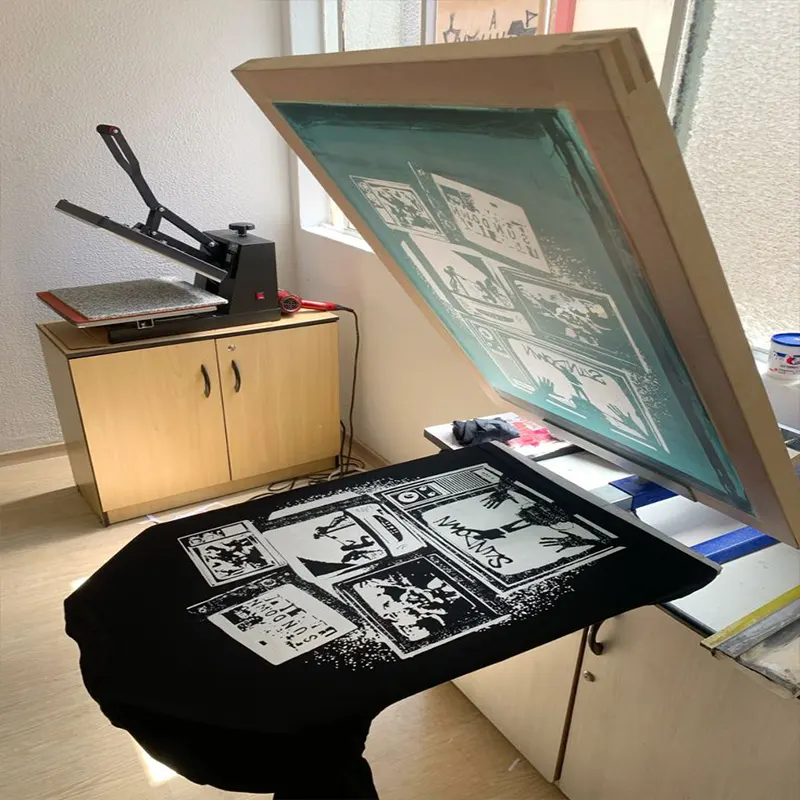
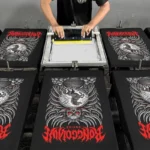
Screen printing is the most classic and cost-effective custom printing technique for blank polo shirts, tees, and uniforms. A fine mesh screen transfers ink onto fabric layer by layer to create crisp, thick, long-lasting graphic prints.
Why Choose Screen Printing?
- Unmatched Durability: Screen printing uses thick, high-quality inks that bond deeply with the fabric. The designs are incredibly resistant to fading and cracking, even after hundreds of washes.
- Vibrant Color Accuracy: Using the Pantone Matching System (PMS), we can replicate your brand’s exact colors with stunning saturation. Our high-opacity inks ensure colors stay bright even on dark-colored garments.
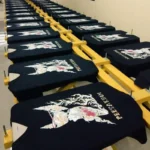
- Cost-Effectiveness for Bulk: Screen printing is the most economical choice for large-scale production. The more you print, the lower the cost per unit, making it the perfect solution for wholesale and high-volume retail.
- Versatile Textures: From the classic soft-hand feel to specialized high-density finishes, screen printing offers a range of tactile possibilities that other methods cannot match.
Our Specialty Screen Printing Techniques
We go beyond standard prints to give your brand a unique edge:
- Plastisol Printing: The industry favorite for bold, crisp logos and maximum color durability.
- Water-Based Inks: Perfect for that “ultra-soft” feel where the ink soaks into the fibers, creating a breathable, vintage aesthetic.
- Discharge Printing: A premium process for dark garments that removes the fabric’s dye and replaces it with your design, resulting in zero “ink feel” on the shirt.
- Specialty Finishes:
- Metallic & Glitter: Add a high-end shimmer to your designs.
- Glow-in-the-Dark: High-intensity phosphorescent inks for creative streetwear.
- High-Density (3D): Thick layers of ink that create a raised, architectural texture.
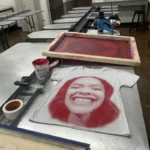
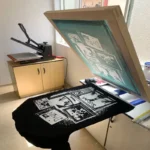
Screen printing (also written as screenprinting and known as silkscreening or serigraphy) is a printing technique where a mesh is used to transfer paint, ink (or dye) onto a substrate, except in areas made impermeable to the ink by a blocking stencil. A blade or squeegee is moved across the screen in a “flood stroke” to fill the open mesh apertures with ink, and a reverse stroke then causes the screen to touch the substrate momentarily along a line of contact. This causes the ink to wet the substrate and be pulled out of the mesh apertures as the screen springs back after the blade has passed. One colour is printed at a time, so several screens can be used to produce a multi-coloured image or design.
Traditionally, silk was used in the process. Currently, synthetic threads are commonly used. The most popular mesh in general use is made of polyester. There are special-use mesh materials of nylon and stainless steel available to the screen printer. There are also different types of mesh sizes, which will determine the outcome and look of the finished design on the material.
The technique is used not only for garment printing but for printing on many other substances, including decals, clocks and watch faces, balloons, and many other products. Advanced uses include laying down conductors and resistors in multi-layer circuits using thin ceramic layers as the substrate.
Reviews
There are no reviews yet.