
Pique vs Single Jersey vs Interlock: How to Choose the Right Knit Fabric for Custom Polos and Tees
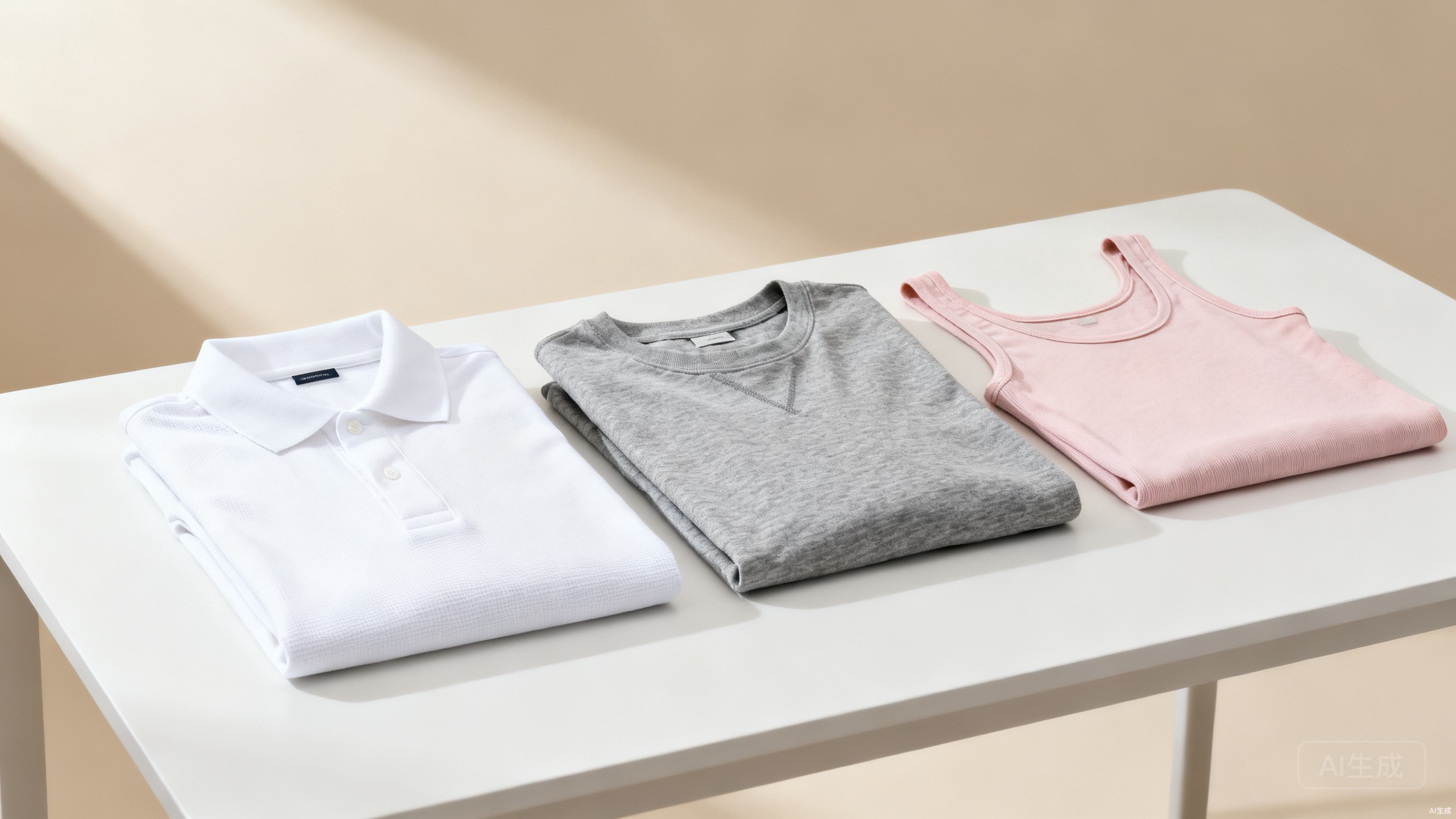
When you source blanks for a custom apparel line, two words come up more often than almost any other: knit construction. A polo shirt, a t-shirt, a tank top, and a base layer are not just different in fiber content — they are built on different knitting machines, with different yarn loops, different stretch behavior, and different finishes. The construction you choose shapes how the garment looks on the shelf, how it feels on the body, how it absorbs or repels sweat, and how it holds up under a print head or an embroidery needle.
The three knit constructions that show up most often in custom apparel are pique, single jersey, and interlock. Each is engineered for a different end-use, but they overlap more than most buyers realize: a heavyweight single jersey can look and feel remarkably like a lightweight interlock, and a fine-gauge pique can pass for a polo at a glance. The differences are in the loop structure, the air permeability, the surface texture, and the way the fabric recovers after stretching.
This guide is written for brand owners, sourcing managers, and buying teams who need to pick the right blank for their next collection. We will walk through how each fabric is made, where it performs best, how it responds to decoration, how it is priced in real factory quotations, and how to read the spec sheet without getting lost in the numbers. By the end, you should be able to choose between pique, single jersey, and interlock for any custom apparel project without second-guessing yourself.
How Knit Fabrics Are Built
Before we compare the three constructions, it helps to understand what a knit fabric actually is. Unlike a woven fabric — where two sets of yarns cross at right angles — a knit is built from a single continuous yarn (or a small set of yarns) formed into interlocking loops. Each loop is held by the loops next to it, which is why knits stretch in every direction and conform to the body without darts.
Three knitting machine types produce almost every apparel blank a brand sources:
- Single jersey machines use one set of needles and produce a flat fabric with a distinct face and back. The face shows the knit stitches (V-shapes), the back shows the floats (purl-like bumps). Single jersey curls at the edges when cut and tends to be lighter and more transparent than the other two constructions at the same yarn count.
- Pique machines are double-knit machines with a special tuck-stitch pattern that creates a textured surface. The texture can be a small honeycomb (the most common in polos), a waffle, a birdseye, or a geometric mini-pattern. Pique is the original “polo shirt fabric” because the small air pockets in the texture help the fabric breathe while looking more formal than a plain knit.
- Interlock machines use two sets of needles arranged so that the face of one fabric is knit against the back of another, producing a thick, stable, double-faced fabric that does not curl at the edges. Interlock behaves more like a light ponte or a beefy t-shirt material — it has body, a smooth surface on both sides, and good recovery after stretching.
The difference in construction drives almost every other property a brand cares about.
Pique vs Single Jersey vs Interlock at a Glance
The table below is a quick reference. The numbers are typical values for mid-grade 100% cotton or poly-cotton blanks at the 180–230 GSM weight class. Premium and performance fabrics will sit above or below these ranges.
| Property | Pique | Single Jersey | Interlock |
|---|---|---|---|
| Construction | Double-knit with tuck stitches | Single-knit, flat | Double-knit, smooth both sides |
| Typical weight | 180–240 GSM | 140–200 GSM | 180–260 GSM |
| Surface texture | Textured honeycomb or waffle | Smooth face, slight grain back | Smooth both sides, no curl |
| Breathability | High (air pockets in texture) | Moderate-high | Moderate |
| Stretch & recovery | Low stretch, good recovery | High stretch, moderate recovery | Low-moderate stretch, excellent recovery |
| Edge behavior | Stable, less curl | Curls when cut | Very stable, no curl |
| Opacity at 180 GSM | High | Moderate (can be sheer on light colors) | High |
| Hand-feel | Crisp, structured, formal | Soft, fluid, casual | Substantial, smooth, premium |
| Best for | Polos, golf shirts, rugby | Tees, tanks, dresses, linings | Premium tees, base layers, lightweight hoodies |
| Common decoration | Embroidery, screen print | DTG, screen print, DTF | DTG, screen print, sublimation (if poly) |
| Price (blank, 500 pcs) | $4.20 – $6.00 | $2.80 – $4.20 | $3.80 – $5.50 |
Pique Fabric in Depth
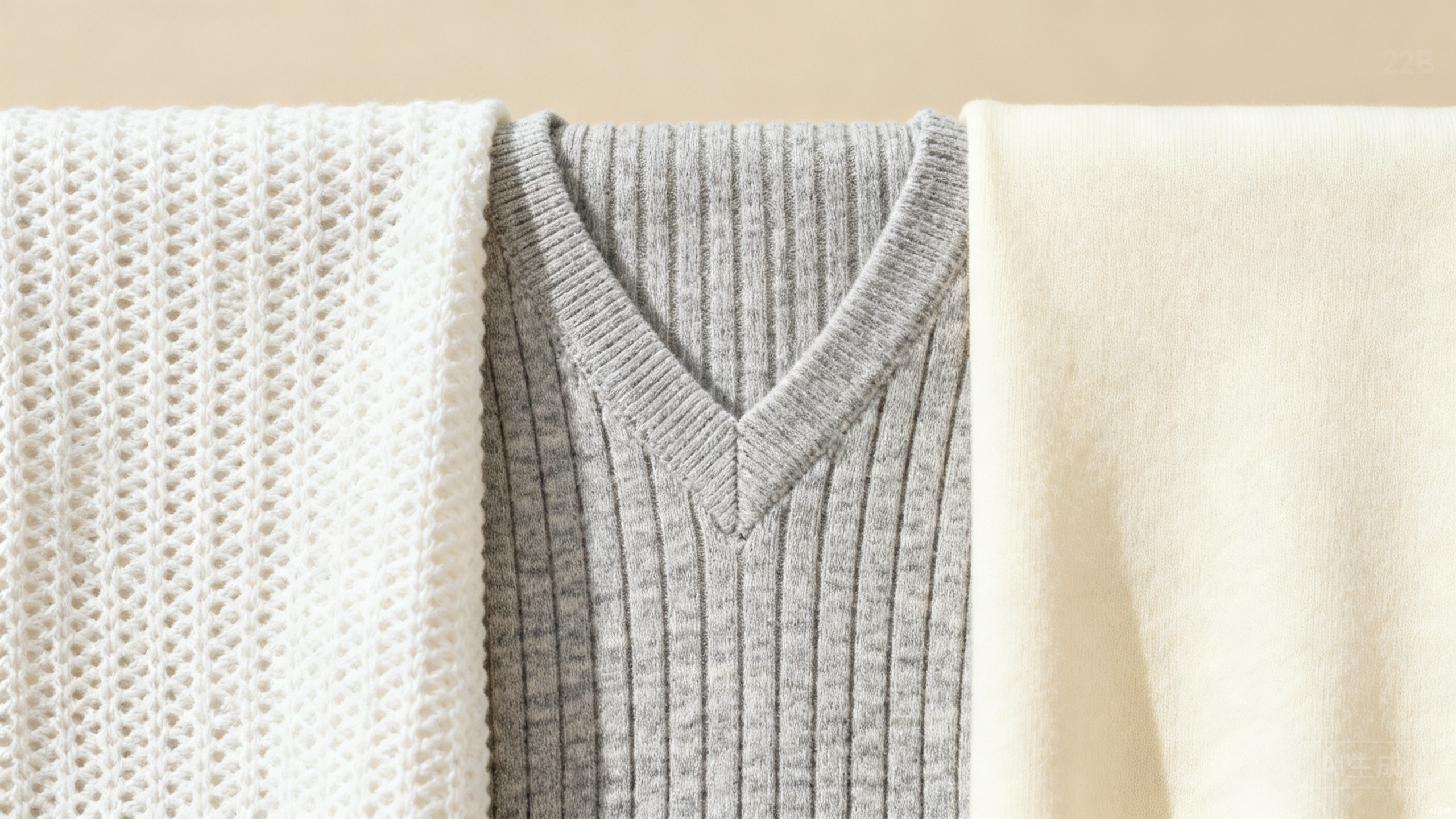
Pique is a double-knit construction with a textured surface created by combining knit and tuck stitches in a repeating pattern. The most common variant in apparel is the honeycomb pique used in polo shirts. The honeycomb cells create tiny air channels that move heat and moisture away from the skin, which is why the polo has been the default uniform for golf, tennis, and corporatewear since the 1930s.
How Pique Is Made
A pique knitting machine uses two needle beds arranged to produce a face fabric and a back fabric that are joined at intervals by tuck stitches. The tuck stitches pull selected loops toward the back of the fabric, creating the recessed pockets that read as a honeycomb, waffle, or birdseye texture on the face. The back of the fabric is usually slightly smoother than the face.
The choice of yarn count and stitch density controls the final weight, hand-feel, and breathability. A fine-gauge pique (28–32 GG, or needles per inch) with combed cotton yarn produces a soft, refined polo fabric suitable for retail. A coarser pique (18–24 GG) with carded yarn produces a heavier, more textured polo used in workwear and budget uniforms.
Where Pique Performs Best
Pique shines where you need structure, breathability, and a slightly elevated look. The most common end-uses are:
- Polo shirts for corporate uniforms, golf, and hospitality — the texture reads as more formal than a tee, the air pockets keep the wearer cool, and the open knit structure hides small wrinkles from a packed suitcase.
- Rugby shirts and casual sportswear — the texture pairs well with bold stripes and contrast collars.
- Lightweight pullovers and henleys — the structure holds the shape of a placket and collar better than single jersey.
- Children’s wear and schoolwear — durable, easy to launder, holds embroidery of logos and crests well.
How Pique Handles Decoration
Embroidery is by far the most common decoration on pique. The texture hides the slight puckering that embroidery can cause on very smooth knits, and the loft of the fabric supports high stitch density without bottoming out.
Screen printing on pique requires care because the textured surface can trap ink unevenly and the cure needs to penetrate deeper. Plastisol inks work well; water-based inks sit well on the high points but can look uneven in the recessed cells. DTF and heat transfers also work — the adhesive layer fills the texture and produces a sharp print — but the hand-feel is stiffer than on a smooth fabric.
DTG on pique is increasingly common as DTG printer heads improve. The textured surface means the white underbase has to be laid down more aggressively to produce a smooth print base; expect to tune your pre-treatment for the specific pique weight.
Single Jersey in Depth
Single jersey is the workhorse fabric of the apparel industry. It is the fabric behind most t-shirts, tank tops, dresses, long-sleeves, and lightweight hoodies. It is the simplest knit construction to make and the cheapest to produce at scale, which is why it is the default choice for brands that want a soft, lightweight blank at the lowest unit cost.
How Single Jersey Is Made
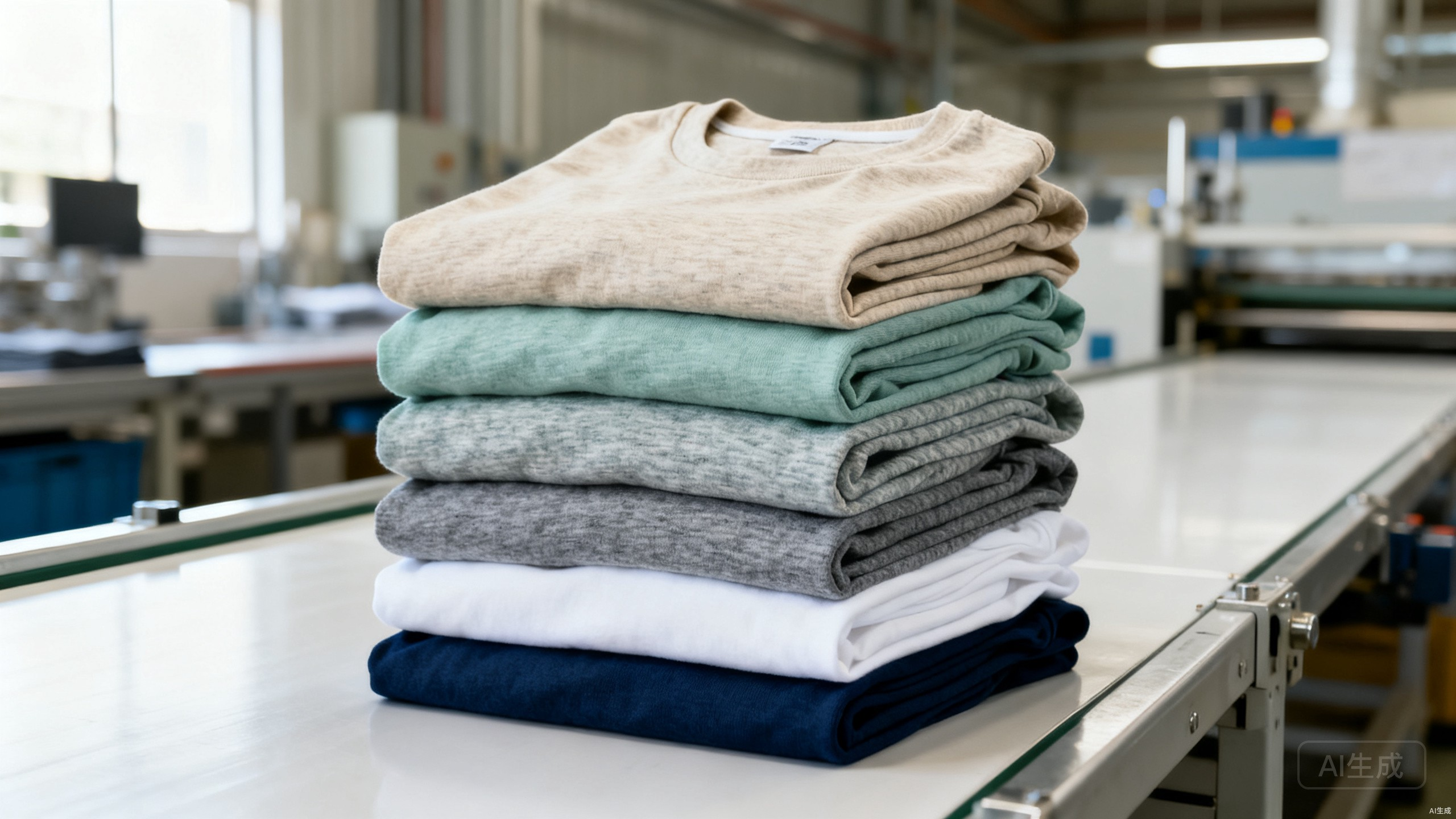
A single jersey machine uses one set of needles to produce a fabric where every needle loops on every course. The result is a flat fabric with a clear face (V-shaped stitches) and back (purl-like floats). Because there is only one set of yarns, the fabric is light, breathable, and stretchy — but it also curls at the cut edges, which is why most t-shirts have coverstitched hems and side seams.
Yarn choice controls the hand-feel and the durability. Combed ring-spun cotton produces a smoother, stronger, less fuzzy fabric than carded open-end cotton. Adding polyester to the yarn (50/50 or 65/35 poly-cotton) increases strength, reduces shrinkage, and gives the fabric a slight sheen. Adding spandex (3–5%) produces a stretch jersey used in fitted tees, dresses, and base layers.
Where Single Jersey Performs Best
- T-shirts and tank tops — the default fabric. Soft, breathable, prints well.
- Long-sleeve t-shirts and lightweight pullovers — single jersey at 180–200 GSM gives the drape and softness expected from a retail long-sleeve.
- Dresses and skirts — the drape of single jersey at 140–160 GSM produces a flattering silhouette.
- Athletic and lifestyle base layers — when knit from polyester or a poly-rich blend, single jersey becomes a moisture-wicking base layer with 4-way stretch.
- Linings — light single jersey (90–120 GSM) is used to line jackets, hoodies, and bags.
How Single Jersey Handles Decoration
Single jersey is the easiest knit to decorate. The smooth face takes DTG ink beautifully, screen printing lays down an even film, DTF transfers bond cleanly, and sublimation on polyester single jersey produces seamless all-over prints.
Embroidery is fine on single jersey, but the knit can pucker if the stitch density is too high or the underlay is too aggressive. A good digitizer will match the underlay to the fabric weight and stretch.
The main limitation of single jersey is opacity at low weights. A 140 GSM single jersey in white can be slightly sheer, which is why fitted women’s tees often use a lining panel or a higher weight.
Interlock in Depth
Interlock is a premium-feeling double-knit construction that produces a smooth surface on both sides. It is heavier and more stable than single jersey at the same yarn count, and it has the body and recovery of a much heavier single jersey without the bulk.
How Interlock Is Made
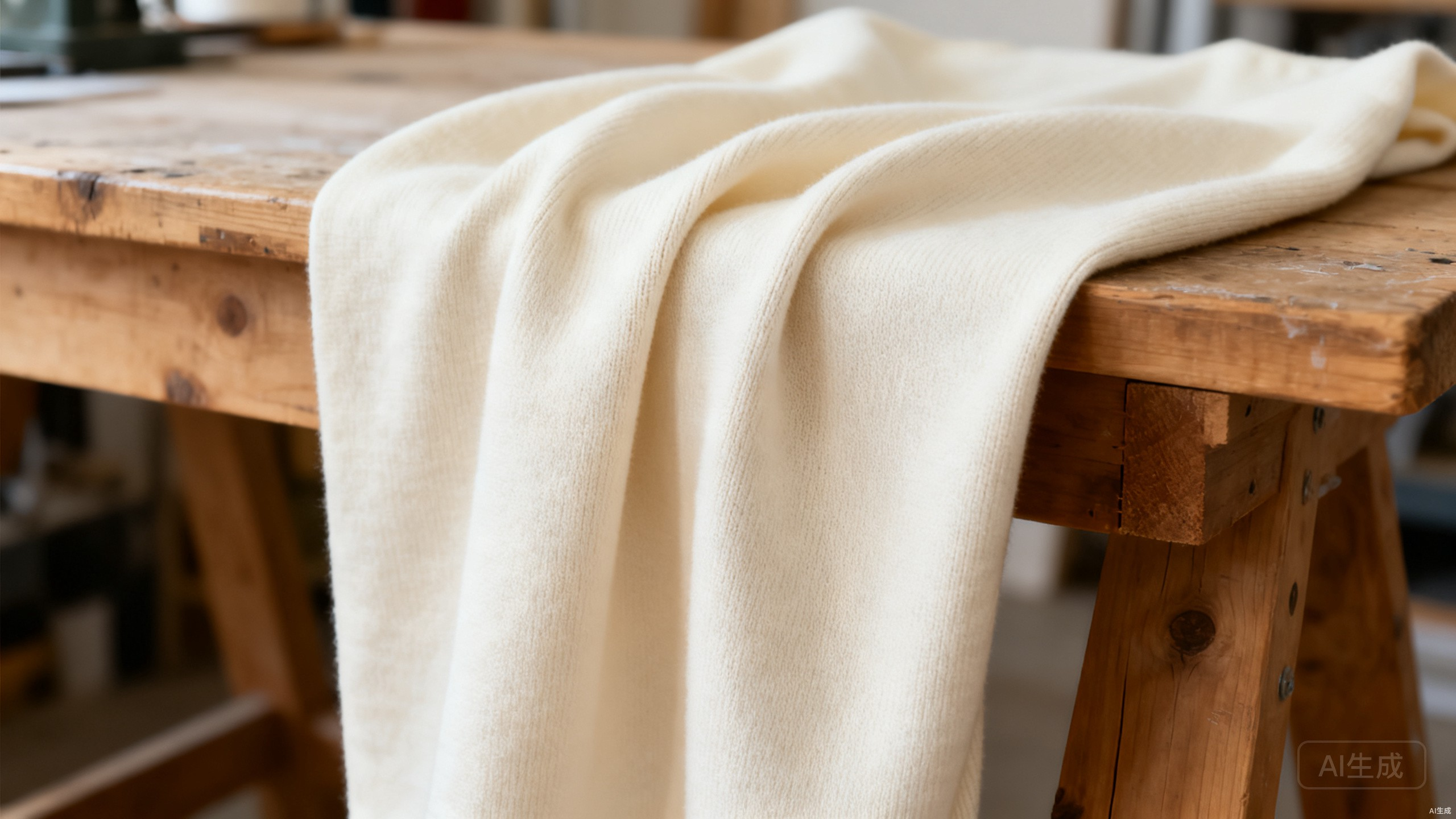
An interlock machine uses two needle beds arranged so that the face of one single jersey is knit against the face of another single jersey, with the two fabrics joined at the selvedges. The two faces are pressed together and finished as a single double-faced fabric. Because both faces are knit stitches, the fabric looks identical on both sides, has no curl at the edges, and has a higher stitch density per square centimeter than single jersey.
Yarn choice shapes the hand-feel. Combed cotton interlock at 200 GSM feels substantial but still drapes well. Polyester or poly-rich interlock can be produced with a moisture-wicking finish for performance use. Spandex can be added for stretch in base layers and fitted tops.
Where Interlock Performs Best
- Premium t-shirts and henleys — the smoother hand-feel and weight justify a higher retail price point.
- Base layers and underwear — the smooth surface is comfortable next to the skin and the fabric recovers well after stretching.
- Lightweight hoodies and pullover sweaters — the body holds the shape of a hood and kangaroo pocket without sagging.
- Babywear and children’s premium lines — the smooth surface and softness are well-suited for sensitive skin.
- Athletic tops where opacity matters — interlock at 180 GSM is fully opaque even in white, which makes it the default for fitted athletic tops.
How Interlock Handles Decoration
Interlock is excellent for screen printing, DTG, DTF, and sublimation on polyester. The smooth surface produces even print coverage with no texture interference. Because both sides are knit stitches, an interlock can be printed, flipped, and worn inside-out as a deliberate design feature in fashion-forward collections.
Embroidery on interlock requires slightly tighter stitch density than on single jersey because the fabric is denser and the needle can leave a visible hole if the tension is too high. A good digitizer will reduce the stitch count to match the fabric weight.
Weight, GSM, and What They Mean in Each Construction
GSM (grams per square meter) is the universal measure of knit fabric weight, but it does not tell you everything. The same GSM will feel and behave differently across pique, single jersey, and interlock.
- Single jersey at 180 GSM feels noticeably lighter and more transparent than pique at 180 GSM because the single jersey has fewer yarns per square centimeter. The single jersey will drape more and show more body through it; the pique will feel more structured and opaque.
- Interlock at 180 GSM is denser than either. It has the smooth hand-feel of a heavier single jersey and the recovery of a ponte, with no curl at the edges.
- Pique at 220 GSM is the standard premium polo weight. Lower GSM (170–190) is the budget uniform weight; higher GSM (240+) is the heavyweight casual polo weight for fashion-forward brands.
A useful buyer rule of thumb: when comparing a single jersey blank to an interlock blank at the same price point, the interlock is usually the better value per unit of perceived quality. When comparing a pique blank to a single jersey blank at the same price point, the single jersey will feel softer but the pique will look more formal.
Breathability, Moisture Management, and Climate Fit
Breathability is a function of both the yarn fiber and the knit structure. Cotton knits breathe because the cellulosic fiber absorbs and releases water vapor; polyester knits breathe only when the yarn is engineered as a filament with capillary channels (moisture-wicking finishes).
Pique breathes the best of the three constructions because the textured surface creates air channels that move heat away from the skin. That is the original purpose of the polo shirt for tropical climates and summer sports.
Single jersey breathes well at lighter weights (140–170 GSM) and less well at higher weights (180+ GSM). The flat face holds moisture close to the skin, which is why single jersey is common in athletic wear where the moisture-wicking finish is engineered into the yarn.
Interlock has the lowest breathability per GSM of the three because the double-knit structure holds more air inside the fabric. This is an advantage in cool weather (the air acts as insulation) and a disadvantage in hot, humid conditions (the fabric can feel clammy).
End-use climate fit:
- Hot, dry climates → pique cotton polos for corporate and golf; light single jersey for casual tees.
- Hot, humid climates → poly-rich single jersey with moisture-wicking finish for athletic use; interlock is usually too heavy.
- Temperate climates → any of the three works; choose by end-use.
- Cold climates → heavyweight interlock base layers and mid-weight pique sweaters for outdoor workwear.
Stretch, Recovery, and Fit Behavior
Single jersey has the highest stretch of the three constructions, both in width and in length. That is why fitted t-shirts and dresses rely on single jersey — the fabric conforms to the body without the need for shaping seams. The trade-off is recovery: a low-quality single jersey with loose knit loops can bag out at the elbows and knees after a few hours of wear.
Pique has lower stretch than single jersey but better recovery. The tuck-stitch structure locks the loops in place, so the fabric returns to its original shape after stretching. That is why pique polos hold their drape through a long day of wear.
Interlock has the lowest stretch of the three but the best recovery. The double-knit structure means the fabric wants to return to its original dimensions, which is why interlock base layers and athletic tops hold their shape over hundreds of wash cycles.
For fitted garments that need to drape and move with the body, single jersey with 3–5% spandex is the right call. For structured garments that need to hold their shape, pique or interlock without spandex is the right call.
Decoration Methods by Construction
The table below matches each construction to the decoration methods that perform best on it. Use it as a quick reference when planning a new program.
| Construction | Screen Print | DTG | DTF | Embroidery | Sublimation |
|---|---|---|---|---|---|
| Pique cotton | Good (tune ink deposit) | Fair to good | Good | Excellent | Not applicable |
| Pique poly-cotton | Excellent | Good | Excellent | Excellent | Good (poly side) |
| Single jersey cotton | Excellent | Excellent | Excellent | Good | Not applicable |
| Single jersey polyester | Excellent (DMR inks) | Fair to good | Excellent | Good | Excellent |
| Interlock cotton | Excellent | Excellent | Excellent | Excellent | Not applicable |
| Interlock polyester | Excellent (DMR inks) | Good | Excellent | Excellent | Excellent |
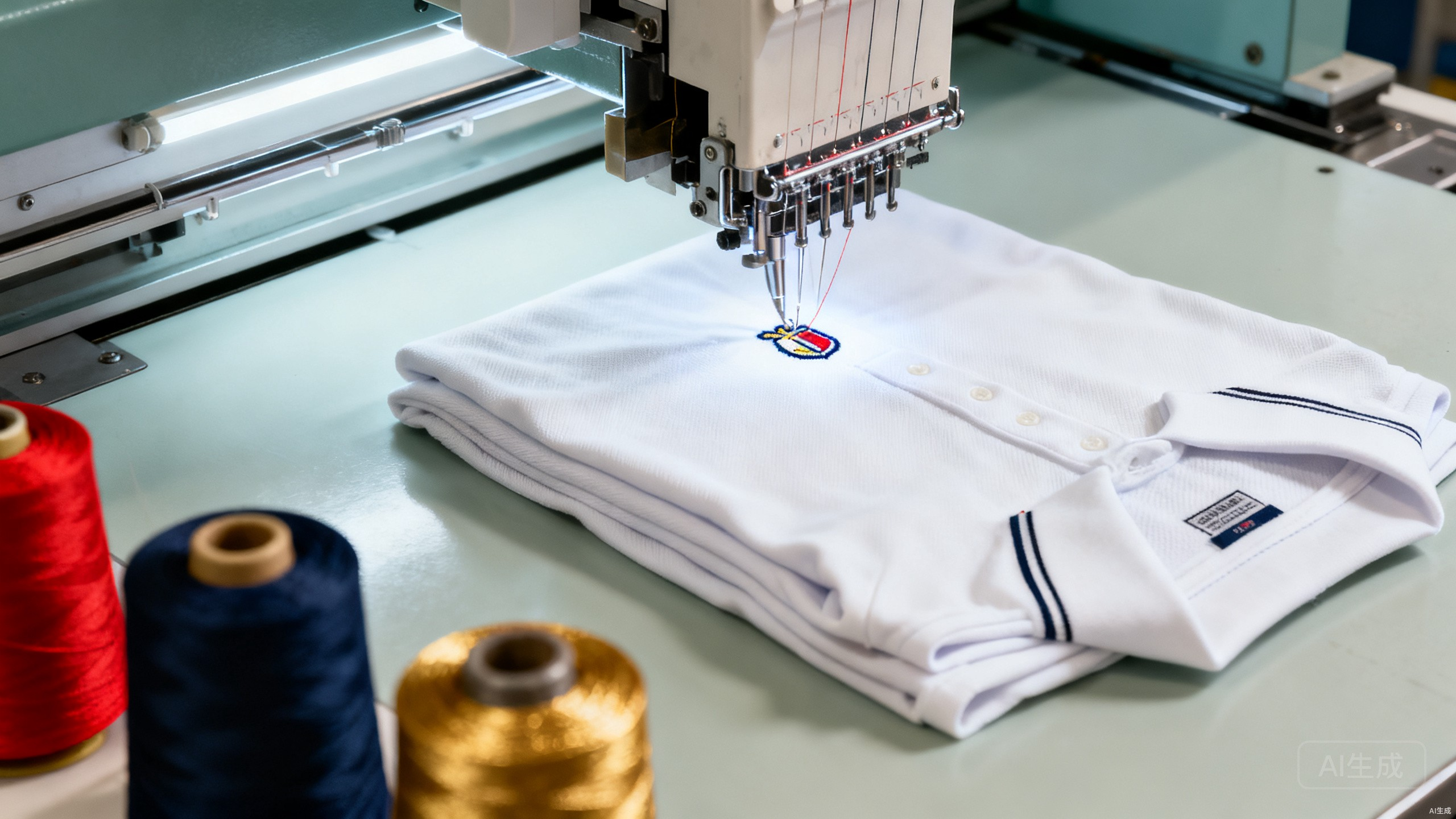
For polo programs where the decoration is almost always an embroidered logo at the chest, any of the three constructions can be used. The recommendation is usually pique for a traditional polo hand-feel and interlock for a premium modern polo where the logo can be embroidered or printed at scale.
Pricing and MOQ in Real Factory Quotations
For a 2026 reference, an order of 500 pieces in the 180–220 GSM weight class, blanks only, ex-factory:
| Construction | 100% Cotton | 65/35 Poly-Cotton | 100% Polyester |
|---|---|---|---|
| Pique 200 GSM | $4.50 – $6.00 | $4.20 – $5.50 | $3.80 – $5.00 |
| Single jersey 180 GSM | $3.20 – $4.50 | $2.80 – $3.80 | $2.50 – $3.40 |
| Interlock 200 GSM | $4.20 – $5.50 | $3.80 – $4.80 | $3.20 – $4.20 |
These prices assume a Chinese or Southeast Asian factory, mid-grade yarn, basic dyeing, and standard packaging. Premium yarn (combed Supima cotton, moisture-wicking polyester), special finishes (enzyme wash, mercerization), and custom packaging will move prices up 10–30%.
Pre-production samples are typically $5–$10 per piece plus shipping. Setup fees vary by decoration method and are lowest for DTF ($0–$5 per design) and embroidery ($0–$5 per design) and highest for screen printing ($20–$40 per color, where each color requires a separate screen).
Minimum order quantity for blanks is typically 25 pieces per color per size for the three constructions, with some flexibility for in-stock colors. For custom dye colors, the MOQ jumps to 300–500 pieces per color depending on the construction. Custom yarn-dyed pique requires a larger dye lot and a longer lead time than single jersey.
How to Read the Spec Sheet
When a factory sends you a spec sheet for a custom blank, look for these lines:
- Composition — fiber content, listed as “100% Cotton” or “65% Polyester / 35% Cotton” or similar. The percentage is by weight, not by yarn count.
- Yarn count — listed as “21s/1” or “32s/2” for ring-spun cotton. Lower numbers mean thicker yarn; higher numbers mean finer yarn. A 32s single jersey is softer and lighter than a 21s at the same GSM.
- Construction — explicit listing of “single jersey”, “pique”, or “interlock”, plus the gauge (GG, needles per inch).
- Weight (GSM) — measured on a finished, relaxed fabric, not on the knitting machine. A 180 GSM finished single jersey will run slightly lighter on the knitting machine because of finishing shrinkage.
- Width (cm or inch) — cuttable width, important for planning yardage.
- Shrinkage — listed as “±3%” or similar. Pre-shrunk fabrics will have lower shrinkage. Interlock shrinks less than single jersey at the same fiber content.
- Color fastness — rating against washing, rubbing, light, perspiration. Look for grade 4 or higher for retail-grade blanks.
- Pilling resistance — rated 1–5. Performance fabrics should be grade 4 or higher.
- Standards — OEKO-TEX 100, BSCI, SEDEX, GOTS, GRS. Confirm the factory holds the certification, not just the mill.
A clear spec sheet with all of these fields is the first signal of a mature factory. If the spec sheet is missing yarn count, GSM tolerance, or color fastness, ask for the missing data before placing the order.
Common Mistakes When Choosing Between Pique, Single Jersey, and Interlock
- Choosing single jersey for a structured collar or placket. Single jersey does not hold a placket or collar shape well; the placket will curl and the collar will flop. Use pique or interlock for polo-style garments.
- Choosing pique for a soft-draping fashion tee. Pique is structured and textured; fashion tees that drape and fall softly are almost always single jersey or interlock.
- Choosing interlock for a hot, humid workwear uniform. Interlock will feel hot and clammy in tropical conditions. Single jersey or pique is better for hot weather workwear.
- Assuming higher GSM = better. A 240 GSM single jersey is heavier but not necessarily better than a 200 GSM interlock at the same price. Compare constructions, not just GSM.
- Sublimating on cotton. Sublimation only works on polyester. Use screen print, DTG, or DTF for cotton pique, cotton single jersey, or cotton interlock.
- Skipping stretch-recovery testing. A single jersey blank that feels soft in the sample can bag out after an hour of wear. Order samples and wear-test them before committing to a full production run.
Quick Decision Tree for Your Next Program
- Is the garment a polo, rugby, or golf shirt? → Pique in cotton or poly-cotton, 190–220 GSM.
- Is the garment a soft, drapey tee, tank, or dress? → Single jersey, 140–180 GSM, in cotton or poly-cotton.
- Is the garment a premium tee, base layer, or lightweight hoodie? → Interlock, 180–220 GSM, in cotton or poly-cotton.
- Is the garment athletic or performance wear? → Polyester or poly-rich single jersey or interlock with moisture-wicking finish.
- Is the decoration an embroidered logo at the chest? → Any of the three constructions works; pique gives a traditional polo feel and interlock gives a premium retail feel.
- Is the decoration a full-coverage all-over print? → Polyester single jersey or interlock with sublimation.
- Is the end-use hot and humid workwear? → Lightweight pique or single jersey, cotton or poly-cotton.
The construction decision is upstream of every other production decision — yarn, weight, finish, decoration, packaging, and MOQ all flow from it. Locking the construction first keeps the rest of the program on a single coherent specification.
Frequently Asked Questions
What is the most breathable knit construction?
Pique is the most breathable because the textured surface (honeycomb, waffle, or birdseye) creates air pockets that move heat and moisture away from the skin. Among non-textured knits, single jersey is more breathable than interlock at the same GSM because the interlock’s double-knit structure holds more trapped air.
Can I sublimate on cotton pique or interlock?
No. Dye sublimation only works on polyester because the dye bonds with the polyester fiber at the molecular level under heat and pressure. For cotton pique, cotton single jersey, or cotton interlock, use screen printing, DTG, or DTF. For poly-cotton blends, sublimation will produce a vintage or distressed effect on the cotton portion of the surface.
Which knit construction is best for embroidery?
Pique is the most forgiving construction for embroidery because the textured surface hides minor puckering and the loft supports high stitch density. Interlock is the next best, with a smooth surface that takes clean, crisp embroidery at moderate density. Single jersey is also fine but can pucker on lightweight knits; a pre-test on the actual production blank is recommended.
What GSM is right for a mid-weight polo?
180–220 GSM is the standard mid-weight polo range. 180–190 GSM is the budget uniform weight; 200–210 GSM is the retail quality weight; 220+ GSM is the heavyweight fashion weight. Below 170 GSM, polos feel flimsy and the placket can pull. Above 240 GSM, polos lose breathability and feel hot in summer.
Is interlock more expensive than single jersey?
Yes, by 10–30% at the blank level, because interlock uses two needle beds and produces a denser fabric at the same yarn count. The price premium is often justified by the smoother hand-feel, the better opacity, the absence of edge curl, and the better recovery after stretching.
Which construction is best for a fitted women’s tee?
Single jersey with 3–5% spandex is the standard for fitted women’s tees because it drapes and moves with the body. Interlock works for a more structured fit; pure cotton interlock without spandex will hold the shape but may feel restrictive.
How do I test a sample before placing a full production order?
Order a pre-production sample (typically $5–$10 + shipping) and run the same wash, stretch, and decoration tests you would run on the production run. For t-shirts, wash the sample five times and check for shrinkage, pilling, and print fade. For polos, wear-test the sample for a full day to check placket stability and collar recovery. For embroidery, stitch a logo on the sample and check for puckering and stitch clarity.
Conclusion
Pique, single jersey, and interlock are not interchangeable. They are three different engineering solutions to three different apparel problems. Pique is the breathable, structured fabric for polos and corporatewear. Single jersey is the soft, drapey, low-cost workhorse for t-shirts, tanks, and dresses. Interlock is the premium, smooth, stable fabric for elevated tees, base layers, and lightweight hoodies.
Picking the right one before you set yarn, weight, finish, and decoration keeps the entire production chain on a single coherent spec. It also keeps the cost forecast honest — interlock at 200 GSM is a different line item from single jersey at 180 GSM, and confusing the two is one of the most common sources of margin slip in custom apparel programs.
If you are planning a new program, request a quote with the construction, GSM range, fiber content, and decoration method and we will send back a detailed spec sheet and a 500-piece price reference within one business day.
Pages
- OEM Garment Home
- Shop Blank Apparel
- Custom T-Shirts
- Custom Hoodies
- Custom Polo Shirts
- Screen Printing Service
- Embroidery Service
- DTG Printing Service
- DTF Printing Service
- Contact OEM Garment
- About OEM Garment
- Manufacturing Process
- Request a Quote
Product Categories
- 100% Cotton T-Shirts
- Polyester T-Shirts
- Cotton/Polyester Blend T-Shirts
- Hoodies & Sweatshirts
- Polo Shirts
- Tank Tops & Sleeveless
- Long Sleeve T-Shirts
- Performance & Athletic Wear
- Children’s Apparel
- Headwear & Caps
Related Articles
- Cotton vs Polyester T-Shirts: Which Fabric Is Better for Custom Apparel?
- Ring-Spun Cotton vs Regular Cotton: Which Is Better for T-Shirts?
- DTF vs DTG Printing: Which Method Should You Choose?
