
If you have ever shopped for t-shirts in bulk or worked with a t-shirt manufacturer, you have probably encountered the term GSM. But what exactly is GSM, and why does it matter so much in the t-shirt industry? This guide explains everything you need to know about GSM — from what it means to how it affects the feel, durability, and price of your t-shirts.
What Does GSM Mean in T-Shirts?
GSM stands for Grams per Square Meter. It is a metric measurement that indicates the weight of fabric per square meter. In simple terms, it tells you how heavy or light a fabric is.
A higher GSM means a heavier, thicker fabric. A lower GSM means a lighter, thinner fabric. This single number has a significant impact on how a t-shirt feels, drapes, breathes, and performs.
GSM Range Guide for T-Shirts
Here is a practical breakdown of GSM ranges and what they mean for t-shirts:
- 120-150 GSM (Lightweight): Thin, breathable, ideal for summer wear, activewear, and layering. Common in promotional t-shirts and budget-friendly options. These feel cool against the skin but may be slightly transparent in white.
- 160-190 GSM (Midweight): The most popular range for everyday t-shirts. Good balance of comfort, durability, and opacity. This is what most fashion brands and retailers use for their standard collections.
- 200-240 GSM (Heavyweight): Thick, substantial feel. Popular in streetwear and premium fashion. Holds its shape well, feels luxurious, and is more durable. Oversized tees often use this range.
- 250-300+ GSM (Extra Heavy): Very thick and structured. Used for premium streetwear brands and high-end fashion. Almost jacket-like in feel. Less common but growing in popularity.
How GSM Affects Your T-Shirt
Comfort and Breathability
Lower GSM t-shirts (120-150) are lighter and more breathable — perfect for hot weather and physical activity. Higher GSM t-shirts (200+) feel warmer and more substantial, making them better for cooler climates or fashion-forward designs.
Durability
Generally, higher GSM fabrics are more durable. They resist tearing, pilling, and wear better over time. However, durability also depends on fabric quality — a well-made 160 GSM combed cotton tee can outlast a poorly made 220 GSM tee.
Print Quality
GSM affects how prints look and feel. Heavier fabrics provide a more stable surface for screen printing and embroidery. Lightweight fabrics may require special care during printing to prevent ink bleed.
Price
Higher GSM means more fabric is used per t-shirt, which increases the cost. A 220 GSM tee will cost roughly 30-40% more in fabric than a 150 GSM tee of the same size. However, the price difference per unit is often smaller than you might expect — usually $0.50-1.50 per shirt depending on the fabric.
Drape and Fit
Lightweight GSM t-shirts drape softly against the body — great for relaxed, flowy fits. Heavyweight GSM t-shirts hold their shape and create a more structured silhouette — ideal for oversized and boxy cuts popular in streetwear.
How to Choose the Right GSM for Your Brand
For Promotional and Event T-Shirts
Choose 130-160 GSM. These are cost-effective for large runs, comfortable for all-day wear at events, and lightweight enough to ship cheaply.
For Everyday Fashion Brands
Choose 160-190 GSM. This is the sweet spot for quality and price. Your customers will appreciate the substantial feel without the premium price tag.
For Streetwear and Premium Brands
Choose 200-260 GSM. The heavyweight feel communicates quality and justifies a higher retail price. Oversized tees at 220-240 GSM are currently trending in streetwear.
For Activewear
Choose 120-150 GSM in performance fabrics like polyester blends or bamboo. Lightweight and moisture-wicking are key for athletic wear.
Common GSM Misconceptions
“Higher GSM Always Means Better Quality”
This is not true. Quality depends on fiber type (combed vs. carded cotton), yarn count, knitting technique, and finishing processes — not just weight. A 180 GSM tee made from combed long-staple cotton will feel and last better than a 250 GSM tee made from short-staple cotton.
“All 180 GSM T-Shirts Feel the Same”
Not at all. Two fabrics at the same GSM can feel completely different depending on the fiber content, yarn type, and knit structure. Always request physical samples before committing.
“I Should Use the Heaviest Fabric Available”
Heavier is not always better. A 300 GSM summer tee will be uncomfortably hot. Match the GSM to the intended use and season.
How to Verify GSM Claims from Manufacturers
Some manufacturers may overstate their fabric GSM to justify higher prices. Here is how to verify:
- Request a fabric test report: Professional labs (SGS, Intertek, BV) can test fabric weight accurately
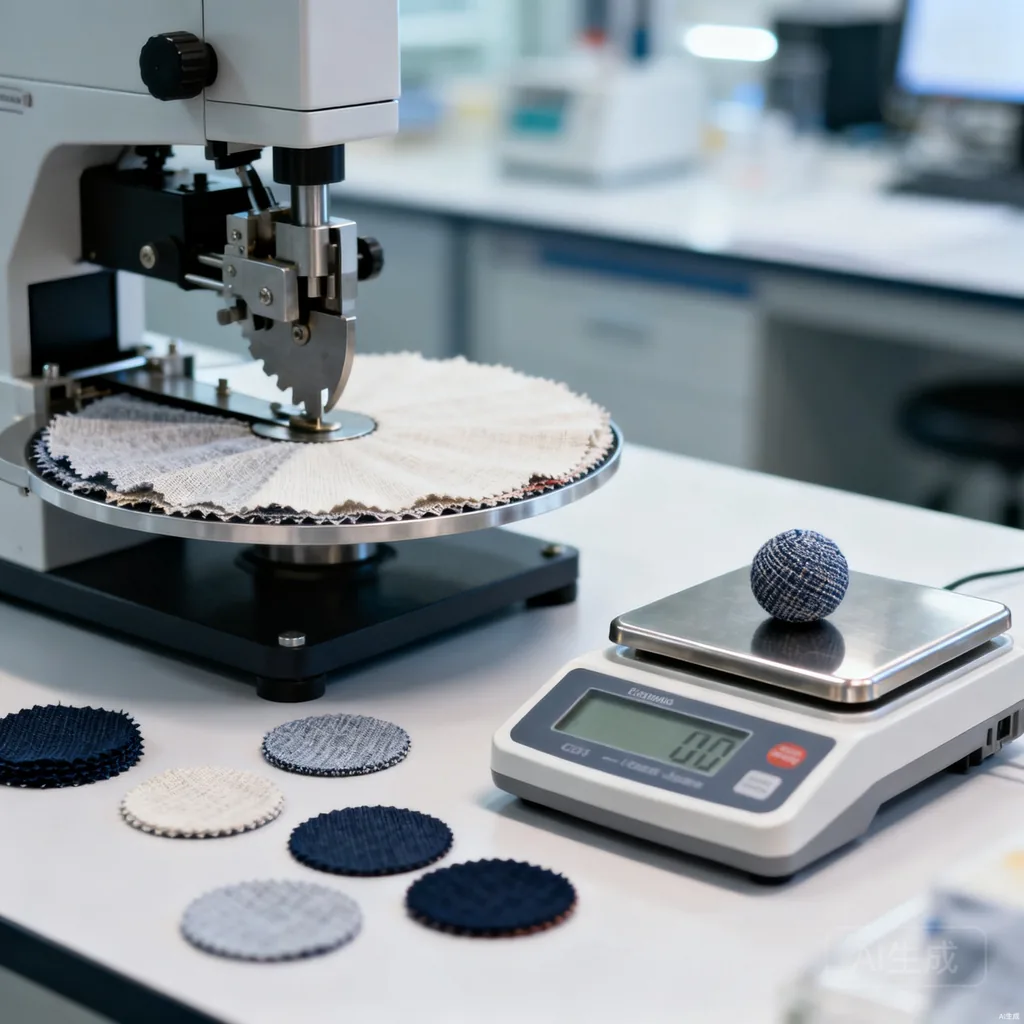
- Use a GSM cutter: This tool cuts a precise 100cm² circle of fabric that you weigh on a digital scale
- Compare samples: Order samples from multiple manufacturers at the same stated GSM and compare the feel and weight yourself
- Check consistency: Ask for GSM tolerance (±5% is standard). If a manufacturer claims exactly 200 GSM with no tolerance, be skeptical
Frequently Asked Questions
What is the best GSM for t-shirt printing?
160-200 GSM is ideal for most printing techniques. The fabric is thick enough to handle ink without bleeding but not so thick that it causes handling issues in printing presses.
What GSM do most popular brands use?
Most mainstream fashion brands use 160-180 GSM for standard tees. Streetwear brands typically use 200-240 GSM. Promotional brands often use 130-150 GSM.
Does GSM affect shrinkage?
GSM itself does not determine shrinkage. Shrinkage is more related to fiber content and pre-shrinking treatment. However, heavier fabrics tend to show less visible shrinkage because the fabric has more structure.
Can I request custom GSM from a manufacturer?
Yes. Most t-shirt manufacturers can produce custom fabric to your specified GSM, but the MOQ is usually higher (300+ pieces per color) because the fabric needs to be custom knitted.
Conclusion
GSM is one of the most important specifications in t-shirt manufacturing. It affects comfort, durability, print quality, price, and overall brand perception. By understanding GSM ranges and matching them to your target market, you can make smarter sourcing decisions and produce t-shirts your customers will love.
Need help choosing the right GSM for your project? Contact our team — we can send fabric swatches at different GSM levels so you can feel the difference before ordering.
