Choosing the Right T-Shirt Printing Method: A Complete OEM Guide
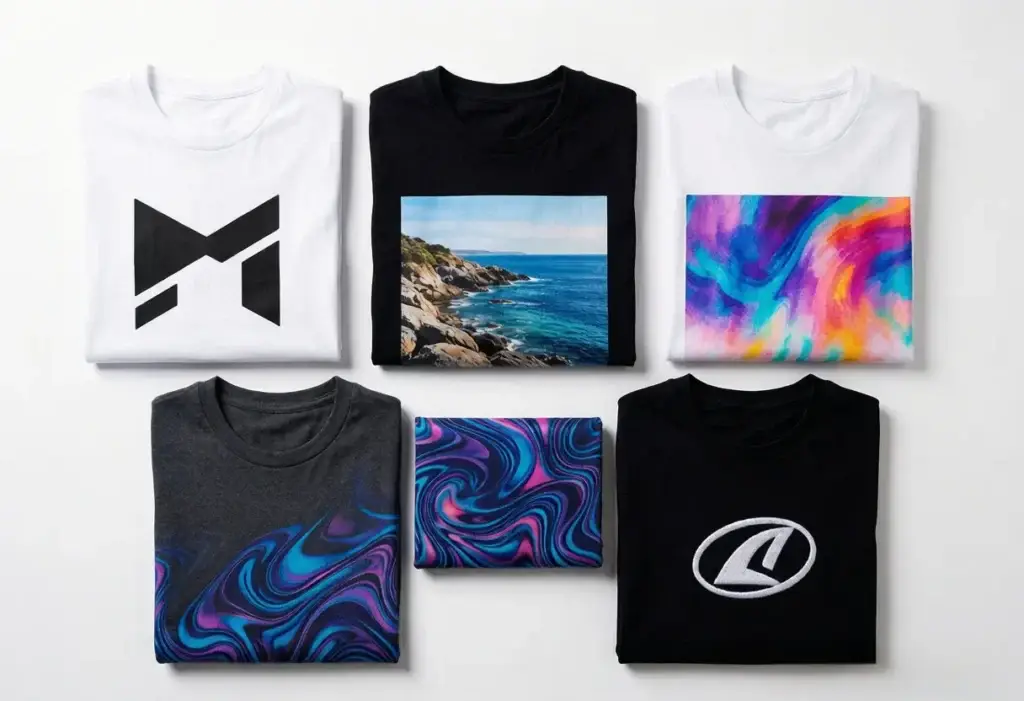
When launching a custom apparel brand, one of the most critical decisions is choosing the right printing method. Each technique offers unique advantages in terms of durability, color vibrancy, cost, and minimum order quantities. In this guide, we compare the five most popular t-shirt printing methods used by OEM factories to help you make an informed decision.
1. Screen Printing: The Industry Standard
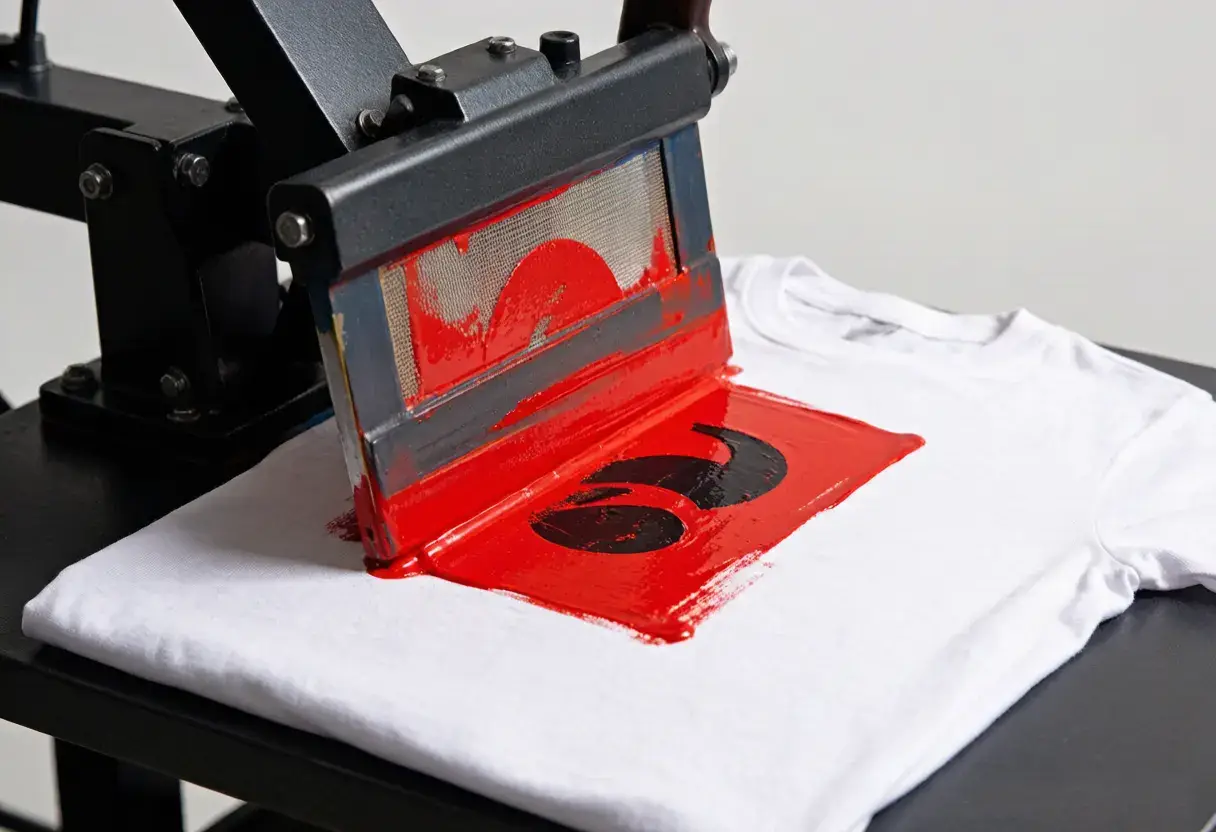
Screen printing (also called silk screen printing) remains the most widely used method for bulk t-shirt production. It involves pushing ink through a mesh stencil onto the fabric.
Pros:
- Extremely durable – lasts 50+ washes without fading
- Lowest per-unit cost for orders of 50+ pieces
- Vibrant colors on dark garments
- Works on virtually any fabric type
Cons:
- High setup cost for multi-color designs (one screen per color)
- Not economical for small batches under 25 pieces
- Limited detail resolution compared to digital methods
Best for: Bulk orders, simple logos, bold graphics, team uniforms. Learn more about screen printing techniques.
2. DTG (Direct-to-Garment): Digital Precision
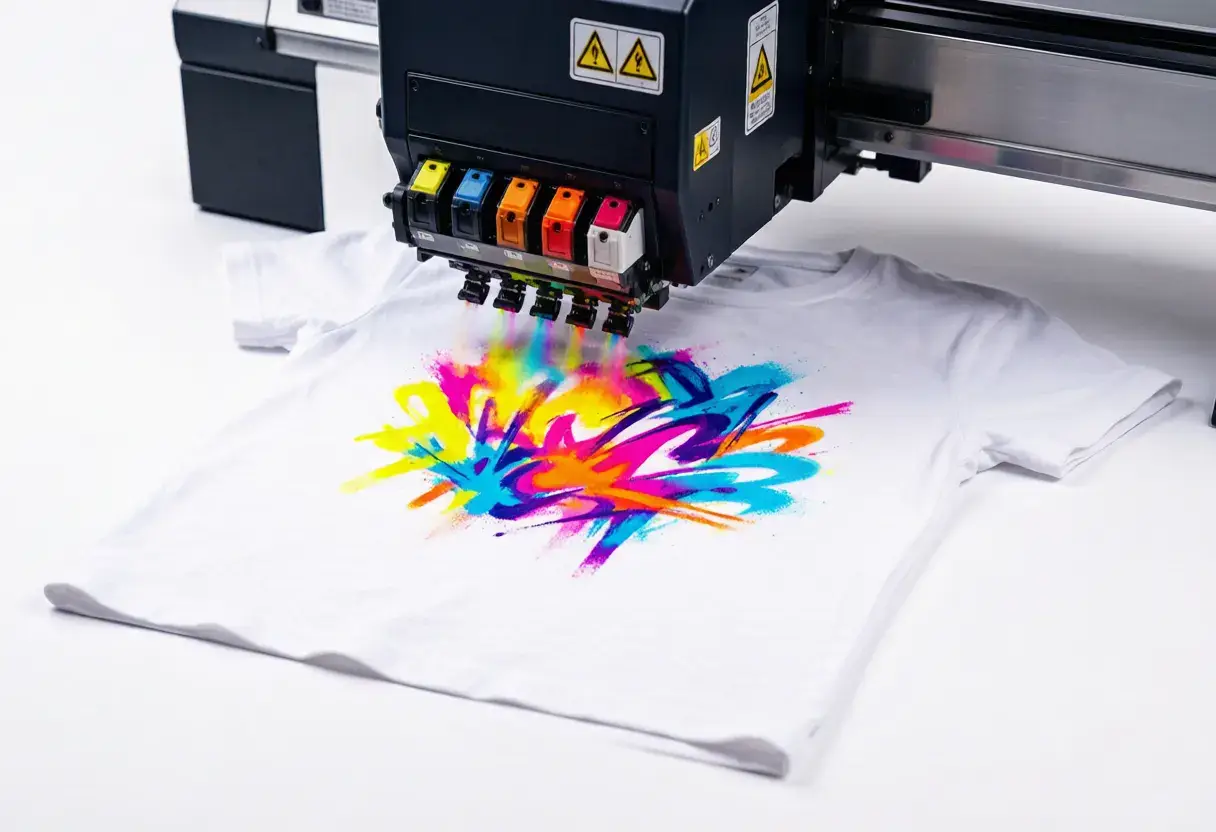
DTG printing uses specialized inkjet technology to print designs directly onto the fabric, similar to printing on paper.
Pros:
- Unlimited colors and photographic detail
- No setup fees – ideal for one-off samples
- Soft hand feel (ink absorbs into fabric)
- Quick turnaround for small batches
Cons:
- Higher per-unit cost than screen printing for bulk
- Works best on 100% cotton or high-cotton blends
- Slower production speed for large orders
Best for: Complex designs, small batches, sample production, print-on-demand.
3. DTF (Direct-to-Film): The Rising Star
DTF printing involves printing a design onto a special film, then heat-pressing it onto the garment. It has rapidly gained popularity since 2022.
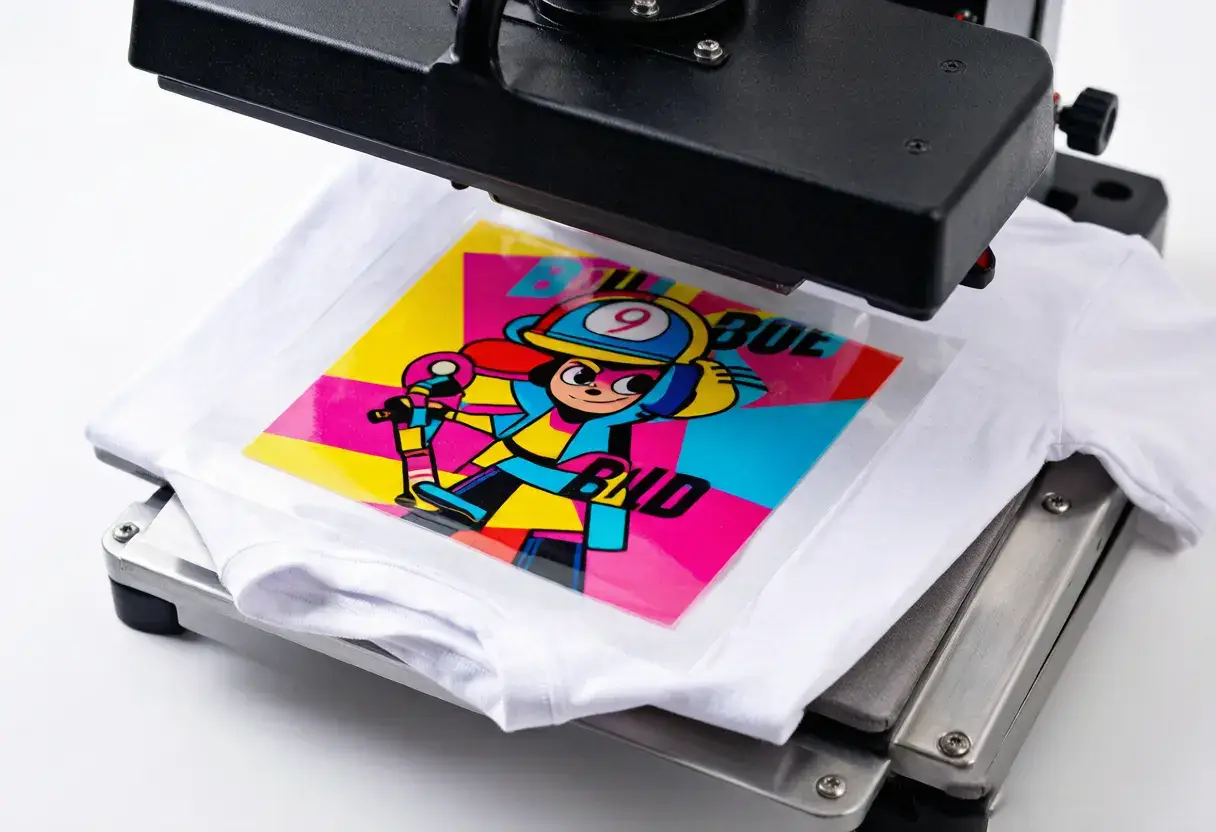
Pros:
- Works on any fabric – cotton, polyester, nylon, blends
- Vibrant colors on both light and dark garments
- No minimum order requirement
- Excellent stretch and wash durability
Cons:
- Slightly thicker hand feel than DTG
- Film quality varies between suppliers
- Relatively new – long-term data still limited
Best for: Mixed fabric orders, sportswear, small-to-medium batches with complex designs.
4. Heat Transfer / Sublimation: All-Over Print
Sublimation printing uses heat to transfer dye into the fabric at a molecular level, creating permanent, full-color prints.
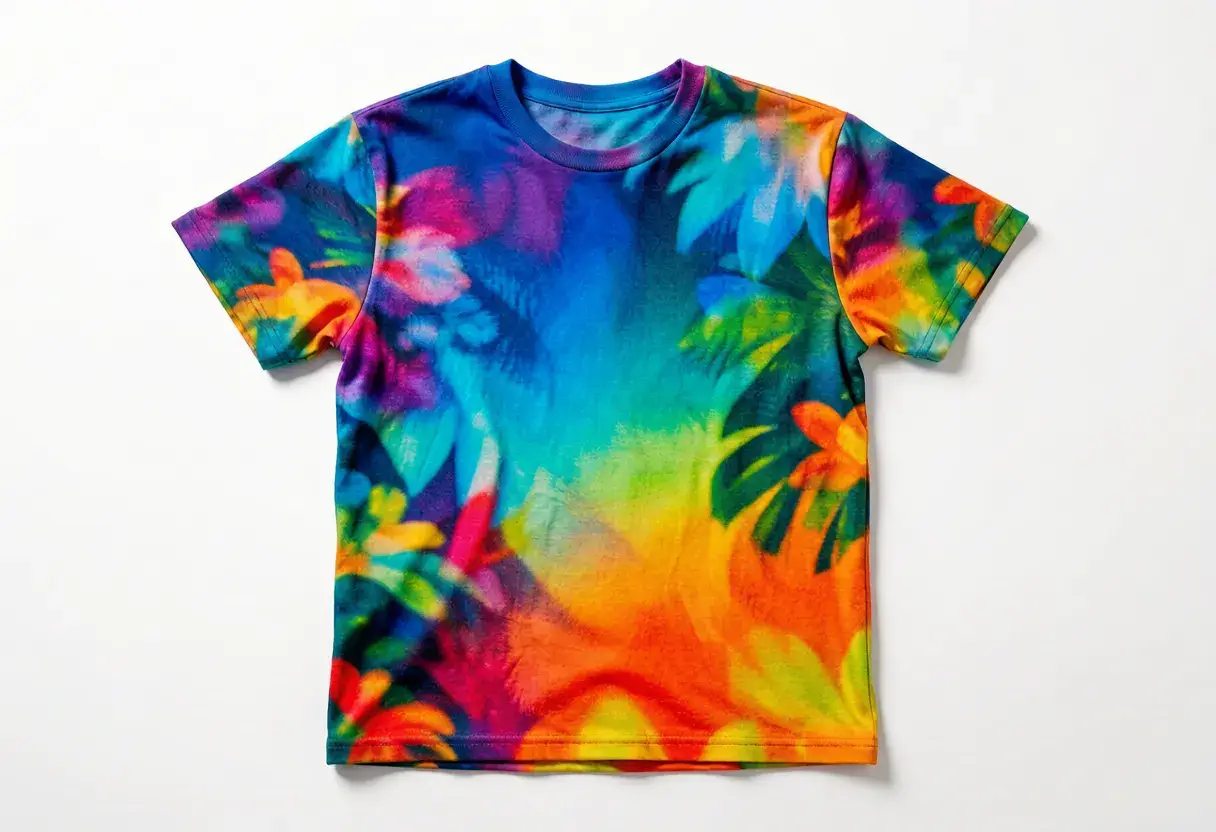
Pros:
- Seamless all-over printing capability
- Colors will not crack, peel, or fade
- Lightweight – no added texture
- Perfect for photographic and gradient designs
Cons:
- Only works on polyester or poly-coated substrates
- Requires white or light-colored garments
- Not suitable for 100% cotton
Best for: Sportswear, activewear, all-over print fashion, polyester garments.
5. Embroidery: Premium and Professional
Machine embroidery stitches thread directly into the fabric, creating a textured, three-dimensional logo or design.
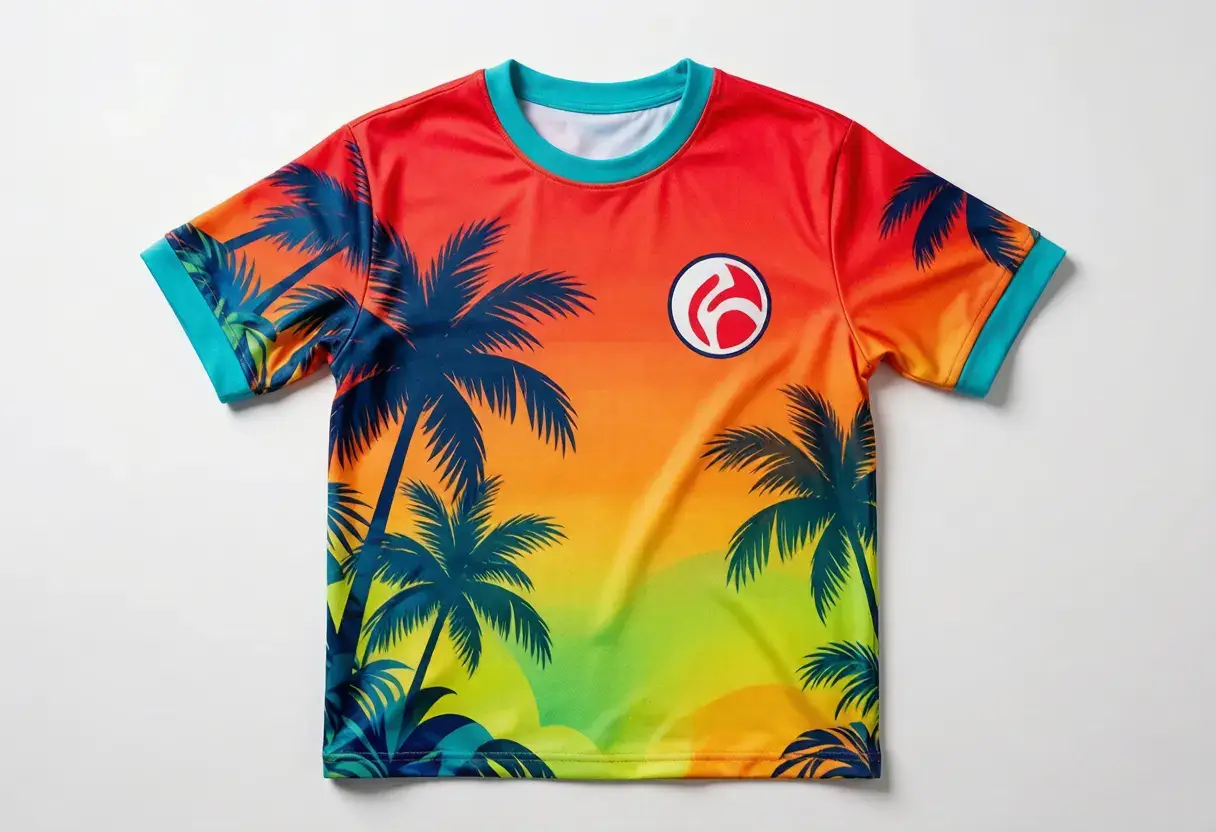
Pros:
- Most premium and professional appearance
- Extremely durable – outlasts the garment itself
- Works on any fabric weight and type
- Ideal for corporate branding and uniforms
Cons:
- Higher cost per unit than printing
- Not suitable for large, detailed designs
- Limited color gradients
- Can add stiffness to lightweight fabrics
Best for: Corporate logos, polo shirts, caps, premium branding. Explore our embroidery options.
Quick Comparison Table
| Method | MOQ | Cost (50 pcs) | Durability | Best Fabric |
|---|---|---|---|---|
| Screen Printing | 25+ | $$ | Excellent | Any |
| DTG | 1+ | $$$ | Good | Cotton |
| DTF | 1+ | $$$ | Very Good | Any |
| Sublimation | 1+ | $$ | Excellent | Polyester |
| Embroidery | 25+ | $$$$ | Excellent | Any |
How to Choose: Decision Framework
Ask yourself these questions:
- Order quantity? Under 25 pcs – DTG or DTF. Over 50 pcs – Screen printing.
- Fabric type? Polyester – Sublimation. Cotton – Screen print or DTG. Mixed – DTF.
- Design complexity? Simple logo – Screen print or embroidery. Photo-realistic – DTG or sublimation.
- Budget? Lowest cost per unit – Screen printing. Premium look – Embroidery.
Combining Methods: Hybrid Printing Techniques
Some of the most impressive custom garments use multiple printing methods together. Understanding how to combine techniques gives you more design flexibility and can elevate your brand’s perceived quality.
Screen Print + Embroidery
This is the most popular hybrid approach for premium streetwear and corporate merchandise. A large graphic on the back is screen printed for cost efficiency, while a small logo on the front chest is embroidered for a premium tactile feel. The contrast between the flat print and raised stitching creates visual depth that catches the eye. Many leading streetwear brands use this combination on their core products.
DTF + Embroidery
Similar to the screen print combination, but DTF allows you to add full-color photographic elements alongside embroidered logos. This works particularly well for sports team uniforms where you need both a detailed team crest (embroidered) and sponsor logos or player numbers (DTF printed).
Sublimation + Cut-and-Sew
For all-over-print garments, the highest quality approach is to sublimate the design onto fabric rolls before cutting and sewing. This ensures the pattern aligns at seams and collars, which is impossible with pre-made garments. Premium activewear brands use this method for their signature looks.
Environmental Impact: Which Methods Are Most Sustainable?
Sustainability is increasingly important for apparel brands. Here is how the main printing methods compare environmentally:
- Water-based screen printing: The most eco-friendly traditional method. Uses water-soluble inks with low VOC emissions. Discharge printing returns the fabric to its natural feel with minimal chemical impact.
- DTG printing: Uses water-based inks with no excess waste since ink is only deposited where needed. However, pre-treatment sprays for dark garments contain chemicals, and printer cleaning consumes water.
- DTF printing: Generates film waste from the transfer process. The adhesive powder is typically PET-based plastic. Improving, but not yet the greenest option.
- Sublimation: Relatively clean process with minimal waste. The dye becomes part of the fiber, so there is no runoff or excess ink. However, it only works on polyester, which sheds microplastics during washing.
- Plastisol screen printing: The least eco-friendly option. PVC-based inks are not biodegradable and require chemical solvents for screen cleanup. Many European brands are moving away from plastisol for this reason.
If sustainability is central to your brand story, prioritize water-based screen printing or GOTS-certified DTG on organic cotton fabrics. Always ask your OEM supplier for their environmental compliance documentation.
How to Care for Printed Garments: Extending Print Life
The printing method you choose also affects how customers should care for their garments. Educating your customers extends the life of the print and reduces returns.
- Screen printed garments: Wash inside out in cold water. Avoid bleach and fabric softener (they break down ink). Tumble dry low or hang dry. Properly cured plastisol can last the lifetime of the garment.
- DTG printed garments: Wash inside out in cold water. Avoid ironing directly on the print. DTG prints are durable but can fade slightly faster than screen printing over 30+ washes.
- DTF printed garments: Similar care to DTG. Avoid high-heat drying, which can soften the adhesive layer. Most DTF prints last 30-50 washes with proper care.
- Sublimated garments: The most durable option for wash fastness. Since the dye is part of the fiber, it will not crack or peel. Normal washing is fine, but avoid chlorine bleach on polyester.
- Embroidered garments: The most durable decoration. Can withstand industrial laundering. Iron on reverse side to preserve the raised texture of the stitching.
Frequently Asked Questions
Can I see a sample before placing a bulk order?
Yes, any reputable OEM factory will produce a pre-production sample with your actual design, fabric, and printing method. Sample lead time is typically 5-10 days. Always approve a physical sample before authorizing bulk production.
Which method gives the softest hand feel?
Sublimation has zero hand feel since the dye becomes part of the fiber. For cotton garments, water-based screen printing and DTG both produce a very soft feel. Discharge printing removes the garment dye and replaces it with ink, creating an almost undetectable print.
What is the most cost-effective method for startup brands?
For startups ordering 20-50 pieces per design, DTG or DTF offers the best value with no setup costs. As your brand grows and order quantities increase, transitioning to screen printing will significantly reduce your per-unit cost. Many successful brands start with DTG for testing and switch to screen printing for their proven best-sellers.
Get Expert Help With Your Project
Not sure which method is right for your brand? Our team has 10+ years of OEM experience and can recommend the best printing method based on your design, fabric, quantity, and budget.
Request a free quote today – we respond within 24 hours with a detailed recommendation and pricing.
See These Techniques in Action
Order custom apparel with any of these printing methods:
- 100% Cotton T-Shirts — Best for screen printing & DTG
- Polyester T-Shirts — Ideal for sublimation printing
- Custom Polo Shirts — Perfect for embroidery & corporate branding
- All Decoration Techniques — Full guide to every method
