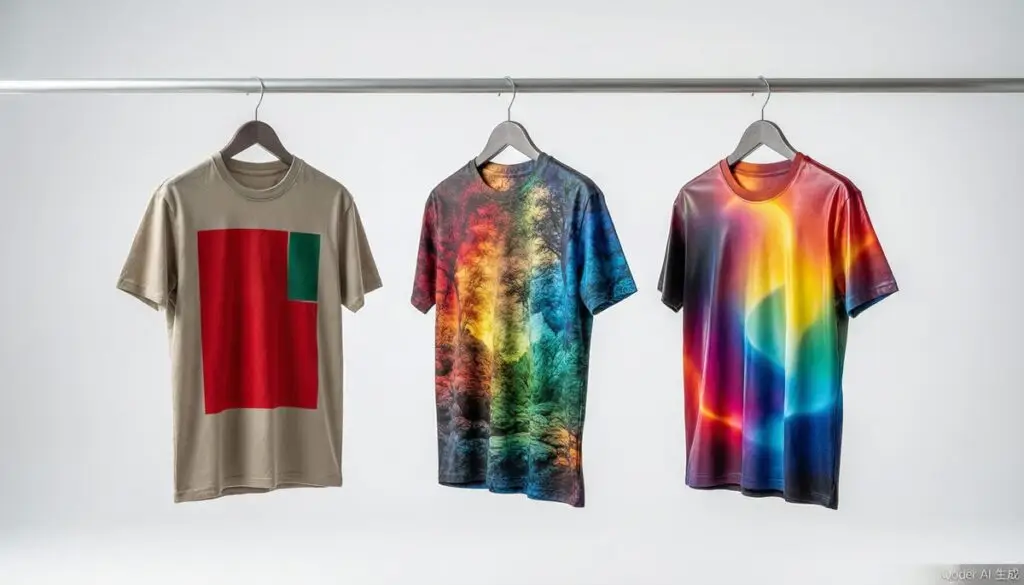
The printing method you choose for your custom apparel directly impacts the look, feel, durability, and cost of the final product. Yet many brand owners simply default to whatever their supplier suggests without understanding the trade-offs. This guide compares the three most common decoration methods used in OEM apparel production so you can make informed decisions for your brand.
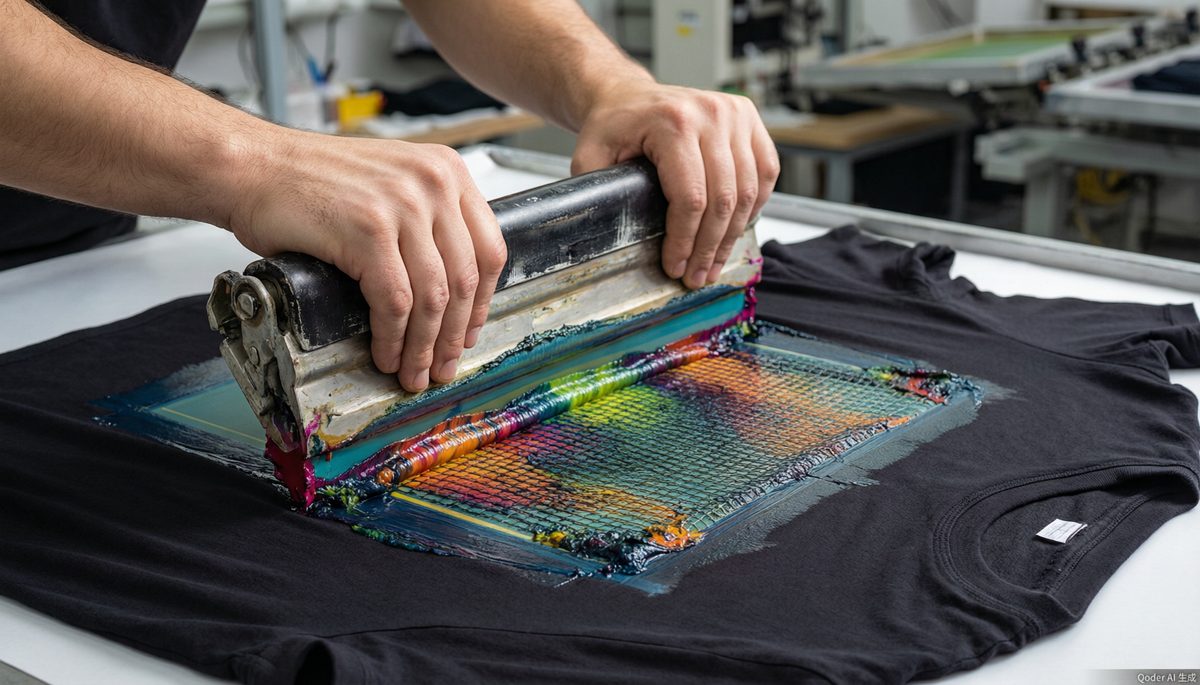
Screen Printing: The Industry Workhorse
Screen printing (also called silk screen or serigraphy) pushes ink through a mesh screen onto the fabric. Each color in your design requires a separate screen, which is why setup costs scale with color count.
Best For
- Orders of 50+ pieces per design (the more you print, the lower the per-unit cost)
- Bold, graphic designs with limited colors (1-6 colors)
- Printing on dark garments (screen printing lays down opaque ink layers that DTG cannot match)
- Specialty inks: metallic, puff, high-density, discharge, water-based soft-hand
Advantages
- Lowest per-unit cost at volume. For 500 pieces of a 2-color design, screen printing is typically 3-5x cheaper per piece than DTG.
- Excellent durability. Properly cured plastisol ink survives 50+ washes without significant fading.
- Vibrant colors on dark garments. A white underbase followed by color layers produces opacity that other methods struggle to match.
- Specialty effects like puff print, foil, or discharge are only achievable through screen printing.
Limitations
- High setup cost and time. Each color requires screen burning, setup, and registration. A 6-color design might need 2-3 hours of setup before the first shirt is printed.
- Not economical for single pieces or very small runs. The setup cost dominates at low quantities.
- Photographic or gradient-heavy designs require simulated process (many color screens) which increases cost significantly.
- Thick ink deposits can feel heavy on the fabric, especially with large solid areas.
DTG (Direct-to-Garment): Digital Freedom
DTG printing works like an inkjet printer for fabric. The garment is loaded onto a platen, and a specialized printer deposits water-based ink directly onto the fibers. No screens, no setup per design.
Best For
- Small batch orders (1-50 pieces per design)
- Highly detailed designs with many colors, gradients, or photographic elements
- On-demand or made-to-order business models where you cannot predict which designs will sell
- Testing new designs before committing to screen printing for larger runs
Advantages
- Zero setup cost. You can print a completely different design on every shirt with no additional cost or time.
- Unlimited colors and detail. Photographic prints, subtle gradients, and fine text all reproduce accurately.
- Soft hand feel. Water-based inks penetrate the fibers rather than sitting on top, resulting in a barely-there feel.
- Fast turnaround. From digital file to printed shirt in minutes, not hours.
Limitations
- Higher per-unit cost. At quantities above 50, screen printing becomes significantly cheaper.
- Limited to cotton or cotton-dominant fabrics. Polyester content above 30% causes issues with ink adhesion and color vibrancy.
- White ink on dark garments requires a pre-treatment step and a white underbase pass, which adds time and can affect color accuracy.
- Print speed is slow for large solid areas. A full-front design on a dark shirt can take 2-3 minutes per piece.
Heat Transfer (Vinyl and Digital Transfer)
Heat transfer encompasses several methods where a design is first printed or cut onto a transfer medium, then applied to the garment using heat and pressure.
Types of Heat Transfer
- HTV (Heat Transfer Vinyl): Design is cut from colored vinyl sheets and heat-pressed onto the garment. Best for simple text, numbers, and single-color shapes. Very durable but limited in design complexity.
- Digital transfer (DTF – Direct-to-Film): Design is printed onto a special film with adhesive powder, then heat-pressed onto the garment. Works on virtually any fabric type including polyester, nylon, and blends.
- Sublimation: Design is printed with special dye onto transfer paper, then heat-pressed onto polyester fabric. The dye becomes part of the fiber, producing extremely vibrant, permanent prints with zero hand feel.
Best For
- Small orders and one-off customization (names, numbers on jerseys)
- Polyester-heavy garments where DTG struggles (DTF and sublimation excel here)
- All-over-print designs using sublimation on polyester
- Mixed-fabric orders where you need one method that works on everything (DTF)
Limitations
- HTV has a noticeable plastic-like layer on the fabric. Not suitable for large solid areas or premium brands.
- DTF produces a slight rubbery feel. Durability is good (30-40 washes) but not as long-lasting as screen printing.
- Sublimation only works on polyester or polyester-coated surfaces. White or light-colored garments only, as the process requires a white base.
- Heat transfers generally have a shorter lifespan than screen printing, especially with frequent industrial washing.
Cost Comparison at Different Quantities
Here is a simplified cost comparison for a 2-color front chest print on a mid-weight cotton T-shirt (approximate, based on typical China OEM pricing):
- 24 pieces: DTG ($2-3/pc) vs Screen Print ($4-5/pc including setup amortization) vs DTF ($2.5-3.5/pc)
- 100 pieces: Screen Print ($1-1.5/pc) vs DTG ($2-3/pc) vs DTF ($2-3/pc)
- 500 pieces: Screen Print ($0.4-0.7/pc) vs DTG ($2-3/pc) vs DTF ($1.8-2.5/pc)
- 1000+ pieces: Screen Print ($0.25-0.5/pc) â screen printing dominates at this volume
The crossover point where screen printing becomes cheaper than digital methods is typically around 30-50 pieces for a 2-color design. More colors push this crossover point lower.
How to Choose: A Decision Checklist
- Order quantity under 30 pieces? Go with DTG or DTF for best value and flexibility.
- More than 50 pieces with limited colors? Screen printing is your most cost-effective option.
- Photographic or gradient design? DTG or DTF. Screen printing would require expensive simulated process.
- Printing on polyester? Sublimation (if white garment) or DTF (if any color).
- Need specialty effects (puff, metallic, glow-in-dark)? Screen printing is the only option.
- On-demand business model? DTG or DTF. Zero minimum, print as orders come in.
Many successful brands use multiple methods: screen printing for their core best-sellers in volume, DTG for limited editions and new design testing, and DTF for polyester items like jerseys or caps. There is no single best method, only the best method for each specific job.
Durability and Wash Performance: What the Data Shows
Print durability is critical for brand reputation. A T-shirt that fades or cracks after a few washes generates returns, negative reviews, and lost customers. Here is how the methods compare in standardized wash testing (AATCC 61 accelerated laundering):
- Screen printing (plastisol): 50+ washes with minimal fading. Plastisol ink sits on top of the fabric and is heat-cured, creating a durable plastic layer. The main failure mode is cracking if the ink is under-cured or if the garment is stretched repeatedly.
- Screen printing (water-based): 40-60 washes. Water-based inks absorb into the fiber, producing a softer feel. Color fastness is excellent, though discharge prints can lighten slightly over time.
- DTG printing: 30-50 washes. DTG inks bond well with cotton fibers but gradually fade with each wash, especially on dark garments where the white underbase becomes visible. Washing inside out in cold water extends print life significantly.
- DTF printing: 30-40 washes. The adhesive layer holds the print to the fabric surface. Durability depends heavily on the quality of the adhesive powder and proper heat press settings. Premium DTF films can reach 50 washes.
- Sublimation: 50+ washes with virtually no fading. Since the dye becomes part of the polyester fiber, there is nothing to crack or peel. The print will outlast the garment itself in most cases.
For brands selling premium products, we recommend requesting wash test samples from your OEM supplier before committing to a printing method. A professional factory will provide a wash test report showing colorfastness ratings after 10, 20, and 30 wash cycles.
Common Printing Mistakes and How to Avoid Them
Even experienced brands make printing errors that cost time and money. Here are the most common issues we see in OEM production:
- Not providing print-ready artwork: Supplying low-resolution images (under 300 DPI) or raster files when vector is needed. Always provide AI, EPS, or SVG files for screen printing. For DTG, provide PNG files at 300 DPI with transparent backgrounds.
- Ignoring color matching: Screen colors on your monitor do not match print colors. Always request a physical strike-off (test print) on the actual garment fabric before approving bulk production. Use Pantone references for color-critical designs.
- Choosing the wrong method for the fabric: Attempting DTG on 100% polyester garments, or sublimation on 100% cotton. Always confirm fabric composition before selecting a printing method. When in doubt, DTF works on virtually any fabric.
- Underestimating setup costs for multi-color designs: A 6-color screen print setup can cost $200-400 before the first shirt is printed. For small runs, it may be cheaper to simplify the design to 2-3 colors or switch to DTG.
- Not accounting for garment color: Printing on dark garments requires a white underbase for both DTG and screen printing, which affects color accuracy and cost. Always specify the garment color when requesting quotes.
Emerging Technologies to Watch
The custom apparel printing industry continues to evolve. Here are technologies gaining momentum that may impact your sourcing decisions:
- UV-LED direct-to-garment: Uses ultraviolet light to cure ink instantly, enabling printing on darker polyester garments that traditional DTG cannot handle. Still in early adoption but promising for mixed-fabric orders.
- Laser finishing: Used primarily for denim but expanding to other fabrics. Creates distressed, faded effects without water or chemicals. Appeals to sustainable fashion brands looking for eco-friendly garment treatments.
- 3D puff and high-density printing: Advanced screen printing techniques that create raised, textured effects. Growing demand in streetwear and athletic apparel for premium tactile branding.
Staying informed about these technologies helps you make better decisions when planning future product lines. Your OEM supplier should be able to advise on which emerging methods are production-ready and which are still experimental.
Need help deciding which printing method is right for your next order? Send us your design and we will recommend the optimal technique with a detailed quote.
Order Custom Printed Apparel
Choose the right technique for your fabric type:
- Cotton T-Shirts — Best for screen printing & DTG
- Polyester T-Shirts — Perfect for sublimation & DTF
- All Printing Techniques — Compare methods side by side
